Building a Resilient India for a Changing Climate
Climate change is no longer just an environmental concern. It is an economic, infrastructural and societal challenge. Strengthening preparedness and resilience is essential to protecting India's people, livelihoods and future growth.
Explore Our Perspective Our Key Priorities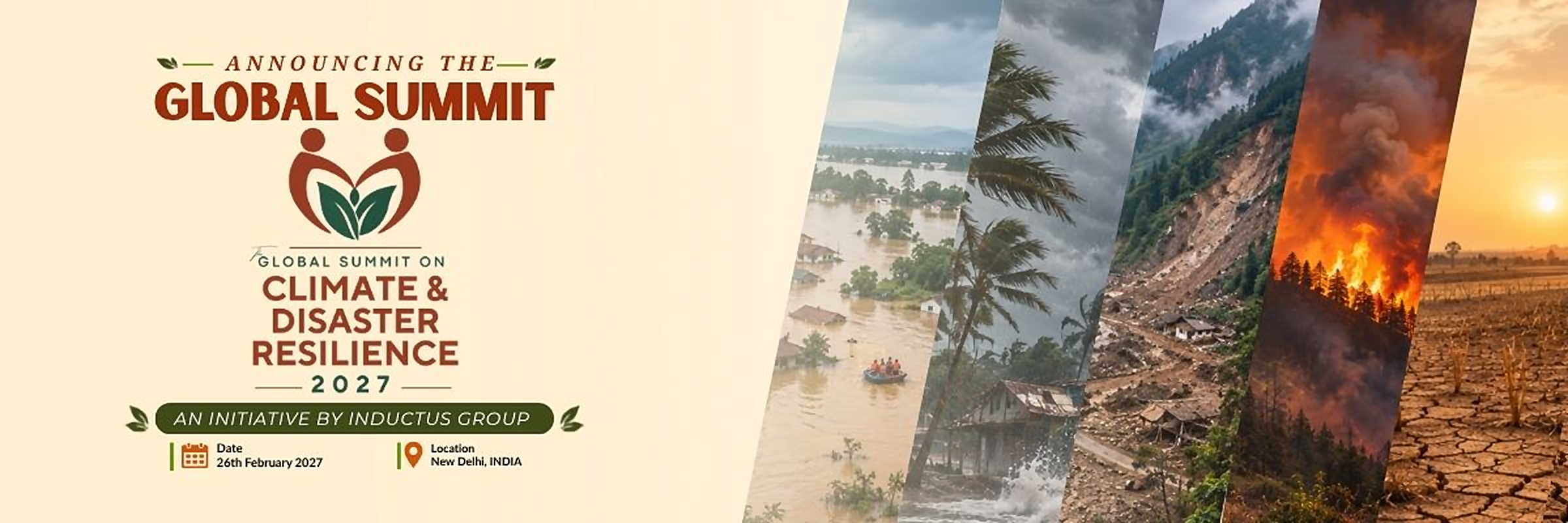
Why Disaster Resilience Matters
Disaster resilience goes beyond responding to emergencies. It involves preparing communities, strengthening infrastructure, protecting livelihoods and ensuring economic continuity in the face of climate-related disruptions.
For India, rising temperatures, erratic monsoons, urban flooding, droughts, cyclones and landslides present interconnected challenges to agriculture, public health, industrial productivity and infrastructure.
As India advances towards its 2047 development ambitions, integrating climate risk management and disaster preparedness into economic planning has become essential.
The Numbers Behind the Challenge
India's climate exposure and economic vulnerability highlight the growing need for long-term resilience, preparedness and strategic investment.
Global Climate Risk Index
India's long-term ranking for 1995–2024.
Investment Requirement
Estimated climate investment required by India through 2040.
Potential Growth Impact
Estimated reduction in economic growth associated with a 1°C rise in annual temperature.
Non-Fossil Capacity
Share of India's installed power capacity as of February 2026.
Source: Figures and estimates cited in the supplied climate change research document. Estimates are subject to their respective methodologies and reporting periods.
Understanding the Impact
Climate-related disruptions extend beyond environmental damage, affecting economic stability, public health, livelihoods and national development.
Agriculture & Food Security
Droughts, heatwaves and unpredictable rainfall threaten crop yields, food availability and agricultural livelihoods.
Infrastructure & Economy
Flooding, cyclones and extreme weather disrupt transportation, power systems, industrial operations and supply chains.
Public Health & Livelihoods
Extreme temperatures, disease risks and displacement affect workforce productivity, public health and household incomes.
Environmental Security
Coastal erosion, glacier risks, water stress and ecosystem degradation create long-term regional challenges.
Key Pillars of Disaster Resilience
Climate-Resilient Infrastructure
Strengthening roads, bridges, ports, airports, buildings and critical infrastructure against future climate risks.
Urban & Community Resilience
Improving drainage, water management, heat preparedness, sustainable housing and community protection.
Water & Agricultural Security
Promoting water conservation, climate-resilient farming, crop insurance and sustainable agricultural practices.
Energy & Industrial Resilience
Strengthening energy systems, accelerating renewable energy, improving efficiency and preparing industries for changing trade requirements.
Disaster Preparedness & Early Warning
Enhancing forecasting, multi-hazard warning systems, evacuation infrastructure and emergency response capabilities.
Ecosystem & Regional Resilience
Protecting natural ecosystems, coastal areas and Himalayan landscapes while strengthening regional cooperation.
From Disaster Response to Resilient Development
A phased approach can help India move from immediate preparedness towards long-term climate-resilient development.
Strengthen Preparedness
- Statutory heat action plans
- Early-warning system expansion
- Urban drainage restoration
- Climate risk screening
- Crop insurance reforms
Build Resilient Systems
- Critical infrastructure retrofitting
- Grid storage and transmission
- Urban heat and water systems
- Resilient housing
- Carbon market development
Secure Sustainable Growth
- Net-zero transition
- Coastal and Himalayan adaptation
- Climate-resilient industries
- Regional cooperation frameworks
A Shared Responsibility
Building disaster resilience is a collective responsibility that requires coordinated efforts from institutions, businesses and communities.
Government
Strong policy frameworks, climate finance, resilient infrastructure standards and effective disaster preparedness.
Businesses
Climate risk assessment, resilient supply chains, cleaner technologies and sustainable business operations.
Communities
Resource conservation, awareness, local preparedness and active community participation.
Disaster Resilience – A Resilient Future
The comprehensive report, Disaster Resilience: A Resilient Future, defines strategic frameworks and actionable pathways to safeguard India's communities, critical infrastructure, and economy against escalating climate risks. Emphasizing early-warning capabilities, resilient infrastructure standards, and coordinated policy action, this publication serves as an essential roadmap toward securing India’s sustainable 2047 development goals.
Download The Disaster Resilience Report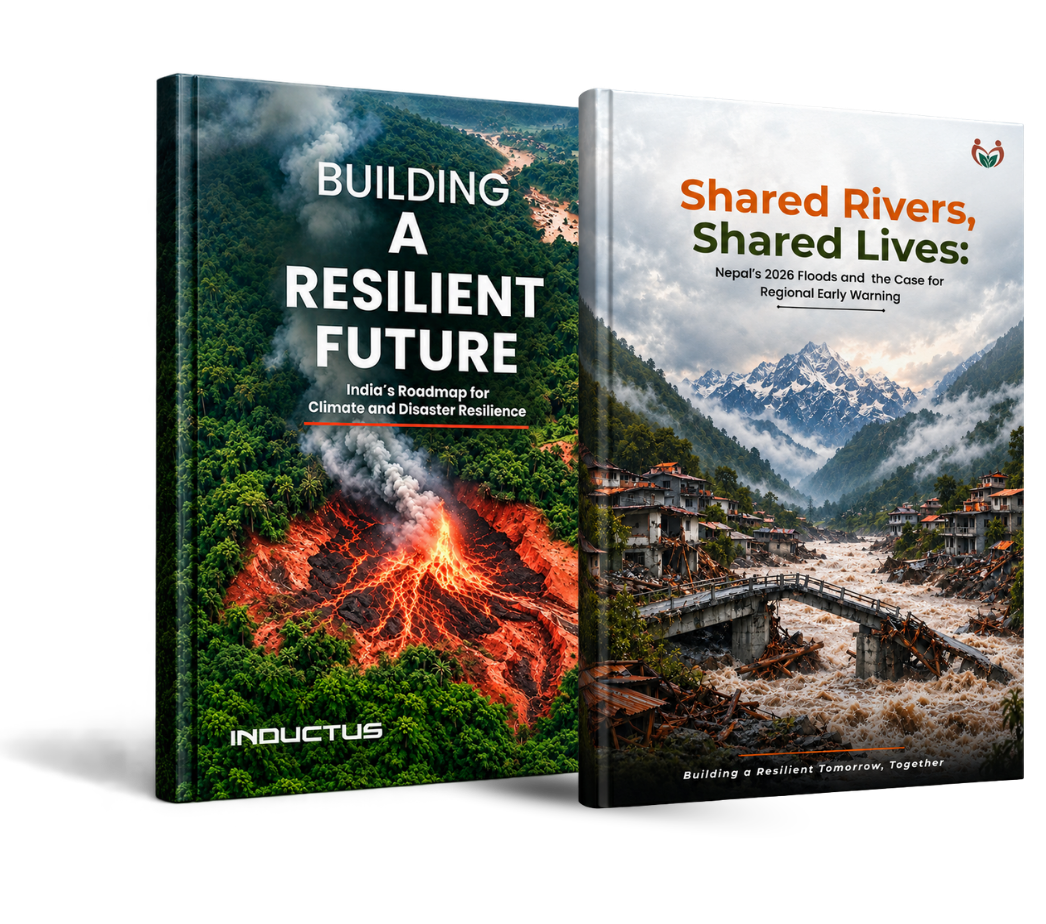
Resilience Today. Sustainable Growth Tomorrow.
The decisions made today will determine the strength, stability and sustainability of tomorrow's economy. Building resilience is not simply a response to climate change; it is an essential foundation for India's long-term development.
Explore Inductus Group